A home renovation goes wrong in two main ways: bad planning, and bad tools. You can do something about the second one. This guide covers the tools worth buying outright, what specifications actually matter for home use, and where it makes more sense to rent.
Start with a good cordless drill driver
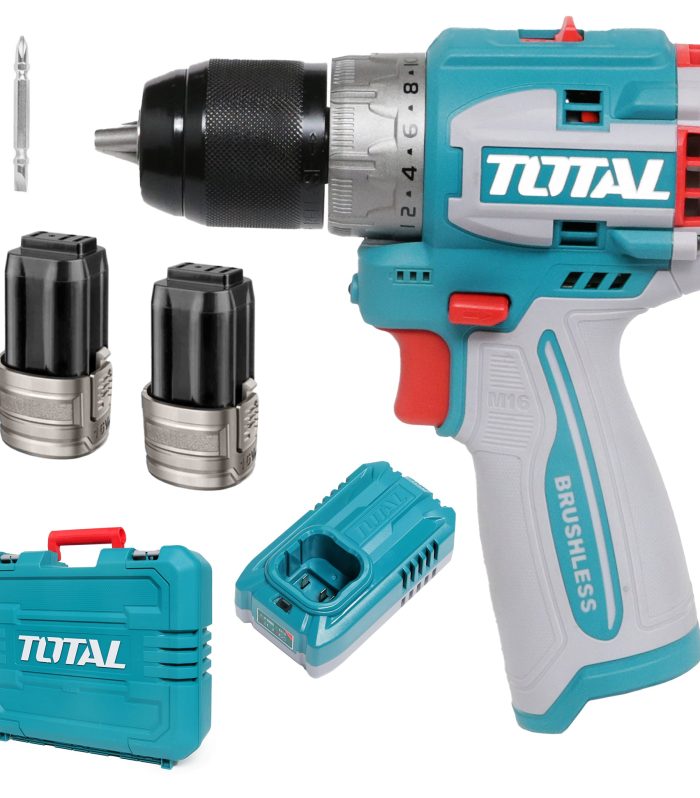
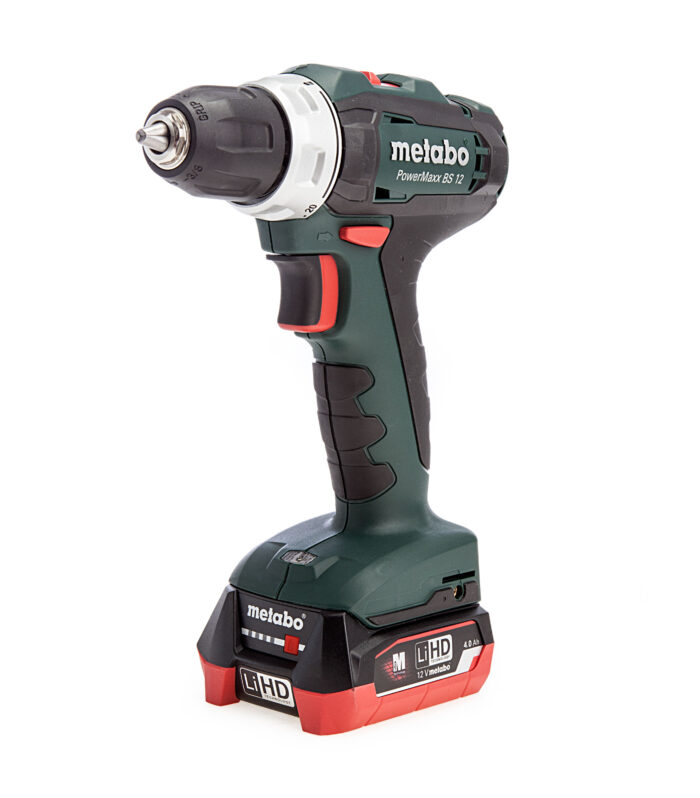
If you only buy one power tool for a renovation, make it a cordless drill driver. It will be in your hand more than anything else: fixing skirting boards, assembling flat-pack furniture, hanging doors, putting up shelves, feeding cables.
For home renovation, you do not need a professional combi drill. A good 18V brushless driver is enough. Look for variable speed, at least 30Nm of torque, and a kit that includes two batteries so one is always charged. Bosch, DeWALT, and Makita all make reliable options at this level.
A circular saw or jigsaw, not both
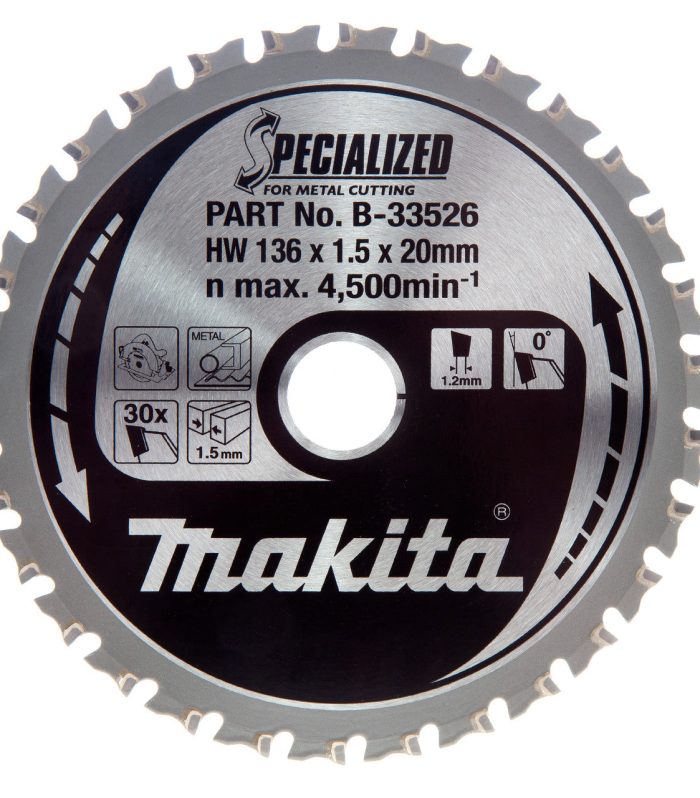
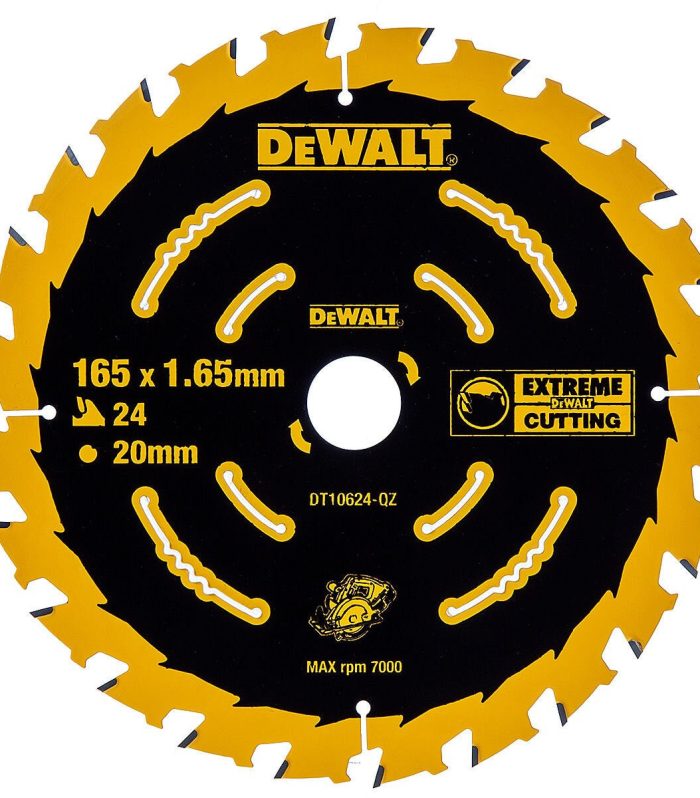
Many renovation guides tell you to buy both. In practice, most homeowners use one and leave the other on a shelf. A circular saw is better for long straight cuts in sheet material: floorboards, plywood, OSB, plasterboard. A jigsaw handles curves, cutouts for sockets and spotlights, and awkward angles around pipes.
Think about what your renovation actually involves. Fitting a kitchen involves lots of straight cuts in worktops and carcasses: buy or borrow a circular saw. Fitting a bathroom involves cutting around awkward shapes: a jigsaw is more useful.
A random orbital sander is worth every penny
Sanding by hand is slow and leaves uneven surfaces. A random orbital sander does the same job in a quarter of the time with a better finish. They are not expensive, they last years, and they make painting preparation genuinely satisfying instead of a chore.
Get one with dust collection. Working in a house while renovating means any dust goes into the living space. A sander with a good bag or connection to a vacuum keeps the mess manageable.
Tools that pay back fast
A decent multi-tool is one of the most underrated buys for renovation work. Cutting flush to a surface, removing old grout, trimming door frames to fit new flooring, cutting through nails: none of these jobs is easy with standard tools. A multi-tool handles all of them.
A laser level saves hours across an entire renovation. Getting tiles, cabinets, shelves, and frames genuinely level rather than eyeballed makes a visible difference to the finished result.
Buying versus renting
Buy tools you will use more than three or four times across the renovation. Rent specialist equipment for one-off tasks. A tile cutter, a floor grinder, a slab saw: these are tools you use once and never touch again. The hire cost is almost always lower than the purchase price.
All the tools mentioned in this guide are available at Sprint Drives with flat 4.45 pounds UK delivery. If you are putting together a renovation kit and want a recommendation based on your specific job, get in touch and we will point you in the right direction.